20 Best Platforms for Forex Trading in USA
Discover the 20 best platforms for Forex trading in USA. Compare features, fees, and regulations to find the perfect broker for your trading needs.
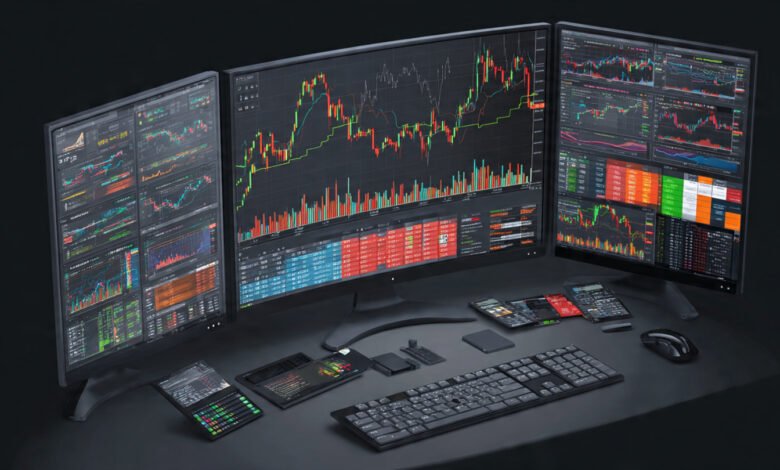
The Forex trading landscape in the United States has evolved dramatically over the past decade. With stricter regulations from bodies like the CFTC and NRA, American traders now have access to some of the most secure and transparent trading platforms in the world. But here’s the challenge: not all platforms are created equal, and choosing the wrong one can cost you money, opportunities, and peace of mind.
Whether you’re a complete beginner taking your first steps into currency trading or an experienced trader looking for advanced charting tools and lower spreads, the platform you choose matters. It affects everything from the leverage you can access to the speed of your trade executions and the quality of customer support when things go wrong.
This comprehensive guide breaks down the 20 best platforms for Forex trading in USA, examining what makes each one stand out. We’ll look at regulatory compliance, trading costs, available currency pairs, mobile app functionality, and the educational resources that can help you become a better trader. By the end of this article, you’ll have a clear understanding of which Forex broker aligns with your trading style, experience level, and financial goals. Let’s dive into the platforms that are shaping how Americans trade currencies.
What Makes a Forex Platform Great for US Traders?
Before we jump into the specific platforms, it’s important to understand what separates excellent Forex brokers from mediocre ones, especially in the heavily regulated US market.
Regulatory Compliance and Safety
US Forex brokers must register with the National Futures Association (NFA) and comply with Commodity Futures Trading Commission (CFTC) regulations. This isn’t just bureaucratic red tape. These requirements protect your funds through segregated accounts, limit leverage to 50:1 on major pairs (and 20:1 on minor pairs), and ensure transparent reporting.
When evaluating platforms, always verify their NFA membership number to ensure compliance. According to the NFA’s BASIC system, you can check any broker’s registration status and disciplinary history in seconds.
Trading Costs and Spreads
Forex trading costs come in two main forms: spreads and commissions. Some platforms offer commission-free trading with wider spreads, while others charge commissions but provide tighter spreads. Neither model is inherently better, but understanding the total cost per trade matters enormously.
For active traders executing dozens of trades weekly, even a half-pip difference in spreads can translate to thousands of dollars annually. Look for platforms offering competitive spreads on the currency pairs you trade most frequently.
Platform Technology and Tools
The best trading platforms combine speed, reliability, and functionality. You need fast execution speeds (especially if you’re day trading), robust charting tools, technical indicators, and the ability to customize your workspace.


MetaTrader 4 and MetaTrader 5 remain industry standards, but many brokers now offer proprietary platforms with unique features. Mobile trading has also become essential, with most serious traders requiring seamless transitions between desktop and smartphone apps.
The 20 Best Platforms for Forex Trading in USA
1. OANDA
OANDA has built a stellar reputation as one of the most trusted Forex brokers for US traders. Regulated by both the NFA and CFTC, this platform offers access to over 70 currency pairs with competitive spreads starting from 1.2 pips on EUR/USD.
Key Features:
- Zero minimum deposit requirement
- Advanced charting through TradingView integration
- Proprietary OANDA Trade platform alongside MT4
- Excellent educational resources for beginners
- Robust API for automated trading
OANDA particularly shines for beginners who want to start small and scale up gradually. Their transparency around pricing and execution quality sets them apart from many competitors.
2. TD Ameritrade (thinkorswim)
TD Ameritrade’s thinkorswim platform isn’t just for stock traders. It offers comprehensive Forex trading capabilities with over 100 currency pairs, including exotic options rarely available to US traders.
Key Features:
- Award-winning platform technology
- No commission on trades (spreads apply)
- Professional-grade charting and analysis tools
- Excellent mobile app functionality
- Integration with broader TD Ameritrade account
The platform’s learning curve is steeper than some alternatives, but experienced traders appreciate the depth of tools available. It’s particularly strong for those who want to trade Forex alongside stocks and options.
3. Interactive Brokers
For serious traders who prioritize low costs and advanced features, Interactive Brokers consistently ranks among the top choices. Their Forex spreads are among the tightest in the industry, and their commission structure rewards high-volume traders.
Key Features:
- Access to 100+ currency pairs
- Spreads as low as 0.1 pips on major pairs
- Multiple platform options (Trader Workstation, IBKR Mobile, WebTrader)
- Advanced order types and algorithmic trading support
- Competitive margin rates
The $10,000 minimum deposit (or $0 for those under 25) and complex fee structure make this less suitable for beginners, but intermediate to advanced traders find tremendous value here.
4. Forex.com
As the name suggests, Forex.com specializes in currency trading. This NFA-regulated broker offers a straightforward approach to Forex trading with competitive pricing and excellent execution quality.
Key Features:
- 80+ currency pairs available
- Choice between commission-free or commission-based pricing
- MT4, MT5, and proprietary platform options
- Strong research and market analysis
- $100 minimum deposit
Forex.com strikes a nice balance between beginner-friendliness and advanced functionality, making it suitable for traders at various experience levels.
5. Charles Schwab
Charles Schwab brings the reliability and customer service of a major financial institution to Forex trading. While not as specialized as some competitors, Schwab offers solid fundamentals for traders who value brand reputation.
Key Features:
- 25 currency pairs
- Commission-free trading (spreads apply)
- Excellent customer support
- Integration with Schwab banking and investment accounts
- No minimum deposit
Schwab works particularly well for traders who already use the platform for other financial needs and want to add Forex to their portfolio.
6. IG US
IG is a global powerhouse in Forex trading, and their US platform maintains high standards despite American regulatory constraints. They offer competitive spreads and a user-friendly experience.
Key Features:
- 80+ currency pairs
- Award-winning mobile app
- Comprehensive educational materials
- Advanced charting and analysis
- $250 minimum deposit
IG’s platform is intuitive enough for beginners while offering sufficient depth for experienced traders. Their educational resources particularly stand out.
7. Nadex
Nadex takes a different approach to currency trading by specializing in binary options and spreads rather than traditional Forex. This unique structure appeals to traders seeking defined risk parameters.
Key Features:
- Exchange-based binary options and spreads
- Capped risk on every trade
- No traditional spreads or commissions
- Low capital requirements
- Limited to major currency pairs
Nadex isn’t for everyone, but traders who appreciate the structured nature of binary options find it offers interesting opportunities within US regulations.
8. tastyfx (formerly IG US)
tastyfx emerged from a rebranding of IG US, bringing fresh energy to the Forex broker space. They focus on creating an accessible, modern trading experience.
Key Features:
- 80+ currency pairs
- Commission-free trading model
- Modern, intuitive platform design
- Strong mobile experience
- Educational content tailored to newer traders
The platform appeals to younger traders and those transitioning from other tastytrade products into Forex markets.
9. StoneX (GAIN Capital)
StoneX operates the Forex.com platform but also offers institutional-grade services under its corporate brand. For high-net-worth traders, StoneX provides customized solutions.
Key Features:
- Institutional-quality execution
- Access to liquidity pools
- Customizable trading infrastructure
- Advanced risk management tools
- Higher minimum deposits
Most retail traders will engage with StoneX through Forex.com, but the parent company’s institutional capabilities add credibility.
10. TradeStation
TradeStation brings sophisticated technology to Forex trading with a platform beloved by active traders. Their focus on automation and strategy testing makes them unique.
Key Features:
- 100+ currency pairs
- Advanced strategy automation
- Excellent backtesting capabilities
- Multiple platform options
- Volume-based commission discounts
TradeStation requires more effort to master, but traders who invest the time gain access to powerful tools for systematic trading.
11. NinjaTrader
While NinjaTrader is known for futures trading, their Forex offering through partner brokers provides access to currency markets with their advanced platform.
Key Features:
- Professional charting and analysis
- Extensive third-party indicator marketplace
- Strong automation capabilities
- Free platform with funded account
- Integration with multiple liquidity providers
NinjaTrader appeals to technically-minded traders who want deep customization options and advanced market analysis tools.
12. Ally Invest
Ally Invest simplifies Forex trading with a straightforward approach that eliminates confusion. While not the most feature-rich option, they excel at making currency trading accessible.
Key Features:
- 20+ major and minor currency pairs
- Commission-free trading
- Simple, clean interface
- Integration with Ally banking services
- No minimum deposit
Ally works well for casual traders who want exposure to Forex without overwhelming complexity.
13. E*TRADE
E*TRADE offers Forex alongside their comprehensive stock and options platform. While Forex isn’t their primary focus, they provide solid capabilities for traders already using their services.
Key Features:
- 60+ currency pairs
- No commissions (spreads apply)
- Reliable platform technology
- Good mobile app
- Integration with broader E*TRADE account
The platform suits traders who want diversified exposure across multiple asset classes within a single account.
14. CMC Markets US
CMC Markets brings international expertise to the US market with competitive pricing and excellent platform technology. Their proprietary platform offers unique features.
Key Features:
- 80+ currency pairs
- Advanced pattern recognition tools
- Tight spreads on major pairs
- Strong charting capabilities
- $0 minimum deposit
CMC Markets combines institutional-quality tools with retail accessibility, making it attractive to serious traders.
15. Lightspeed
Lightspeed focuses on active traders who demand speed and reliability. While primarily known for equities, their Forex offering serves professional-level traders.
Key Features:
- Ultra-fast execution speeds
- Professional-grade platform technology
- Competitive pricing for high volume
- Direct market access
- Higher minimum deposits
Lightspeed isn’t for everyone, but day traders and scalpers appreciate the platform’s speed and reliability.
16. TradeKing Forex (Ally Invest)
Now merged into Ally Invest, the former TradeKing Forex brand brought simplicity to currency trading. The legacy continues through Ally’s streamlined approach.
Key Features:
- User-friendly interface
- Educational resources for beginners
- Reasonable spreads
- No hidden fees
- Mobile-optimized experience
The TradeKing approach lives on in Ally’s commitment to removing barriers for new Forex traders.
17. City Index US
City Index offers a focused Forex trading experience with competitive spreads and solid platform technology. They cater to serious retail traders.
Key Features:
- 80+ currency pairs
- Choice of platforms (WebTrader and AT Pro)
- Competitive spreads
- Good research and analysis
- Responsive customer support
City Index provides a professional experience without excessive complexity or institutional-level minimums.
18. FXCM
FXCM exited the US retail market but previously ranked among the top Forex brokers. While no longer available to US traders, understanding their history provides context for the current market.
Their departure highlighted how regulatory pressures have reshaped the American Forex trading landscape, pushing remaining brokers to maintain high standards.
19. Dukascopy US
Dukascopy operates globally but maintains a US presence through partnerships. Their Swiss heritage brings a focus on transparency and technology.
Key Features:
- Swiss banking heritage
- Transparent pricing models
- Advanced platform technology
- SWFX marketplace access
- Higher minimum deposits
Dukascopy appeals to traders who value European-style transparency and institutional-quality infrastructure.
20. MB Trading (TradeKing/Ally)
MB Trading merged into the TradeKing family (now Ally Invest), contributing technology and expertise that enhanced the combined platform’s capabilities.
Their legacy of innovation in platform technology continues to influence how modern Forex trading platforms serve American traders.
How to Choose the Right Platform for Your Trading Style
Selecting from these 20 best platforms for Forex trading in USA depends on your specific needs and trading approach.
For Beginners
Start with platforms offering strong educational resources, low minimum deposits, and intuitive interfaces. OANDA, IG US, and Ally Invest excel in these areas. Don’t obsess over having 100+ currency pairs when you’re learning, focus instead on mastering the major pairs with good support.
For Active Day Traders
Prioritize execution speed, tight spreads, and advanced charting. Interactive Brokers, TradeStation, and Lightspeed offer the tools and pricing that active traders need. Every pip matters when you’re executing multiple trades daily.
For Part-Time Traders
Look for reliable mobile apps, reasonable spreads on major pairs, and platforms that don’t penalize lower trading volumes. TD Ameritrade, Charles Schwab, and Forex.com provide solid experiences for traders who can’t monitor markets constantly.
For Algorithm and System Traders
Choose platforms with robust APIs, backtesting capabilities, and automation support. TradeStation, Interactive Brokers, and NinjaTrader lead in this category, offering the infrastructure needed for systematic trading.
Understanding Forex Trading Costs
Trading costs extend beyond advertised spreads. Here’s what to consider:
Spread vs. Commission Models
Commission-free brokers build costs into wider spreads. Commission-based brokers offer tighter spreads but charge per-trade fees. Calculate your total cost per lot traded to compare accurately.
Overnight Financing Costs
Holding positions overnight incurs swap fees or rollover interest. These costs vary significantly between brokers and can impact profitability for swing traders and position traders.
Currency Conversion Fees
If you fund your account in a different currency than you trade, conversion fees apply. Some brokers offer multi-currency accounts to minimize these costs.
According to research from Investopedia’s Forex trading guide, understanding the total cost structure before committing to a platform can save thousands of dollars annually for active traders.
Essential Features for Modern Forex Trading
Today’s Forex trading platforms must deliver certain fundamental capabilities to remain competitive.
Mobile Trading Functionality
Over 60% of retail traders now execute at least some trades from mobile devices. Your platform needs a fully-functional mobile app, not just a stripped-down version of the desktop experience.
Research and Analysis Tools
Quality platforms provide market news, economic calendars, technical analysis tools, and expert commentary. These resources help you make informed trading decisions rather than gambling on price movements.
Customer Support Quality
When you can’t access your account or need help with a time-sensitive issue, responsive customer support becomes invaluable. Look for brokers offering 24/5 support during market hours with knowledgeable representatives.
Account Security Measures
Two-factor authentication, withdrawal verification protocols, and account activity monitoring protect your capital. Top Forex brokers invest heavily in security infrastructure.
The Regulatory Landscape for US Forex Trading
Understanding American Forex regulations helps explain why US traders face different conditions than international counterparts.
CFTC and NFA Oversight
The CFTC regulates Forex as a commodity, while the NFA handles day-to-day broker oversight. This dual structure creates strong consumer protections but also limits certain trading practices common internationally.
Leverage Restrictions
US regulations cap leverage at 50:1 for major pairs and 20:1 for minor pairs. While this frustrates some traders accustomed to higher leverage, it significantly reduces the risk of catastrophic account losses.
Prohibited Practices
Hedging (holding simultaneous long and short positions in the same pair), FIFO rules, and restrictions on certain order types reflect regulatory efforts to protect retail traders from high-risk strategies.
Common Mistakes When Choosing a Forex Platform
Avoid these pitfalls when selecting from the best platforms for Forex trading in USA:
- Chasing Bonuses: Deposit bonuses often come with restrictive terms that lock your capital. Focus on platform quality and trading costs instead.
- Ignoring Regulation: Only trade with NFA-registered brokers. Offshore platforms promising higher leverage or bonuses often provide no recourse when problems arise.
- Overlooking Platform Testing: Most brokers offer demo accounts. Test the platform extensively before funding your account to ensure it matches your needs.
- Focusing Only on Spreads: The tightest spreads don’t matter if execution quality is poor or the platform crashes during volatile markets.
Conclusion
The 20 best platforms for Forex trading in USA each offer distinct advantages depending on your trading style, experience level, and specific needs. From OANDA’s beginner-friendly approach and Interactive Brokers’ institutional-quality infrastructure to TD Ameritrade’s comprehensive tools and Forex.com’s specialized focus, American traders have access to secure, regulated platforms that prioritize customer protection. When choosing your Forex broker, prioritize regulatory compliance, understand the true cost of trading including spreads and fees, and ensure the platform’s technology matches your trading approach. Whether you’re starting with a few hundred dollars or managing a substantial trading account, the right platform makes a measurable difference in your trading success. Take advantage of demo accounts to test multiple platforms, read reviews from experienced traders, and start with smaller positions until you’re comfortable with your chosen platform’s functionality and execution quality.