Pepperstone Review: Pros, Cons, Features & Real Trader Feedback
Pepperstone Review: Low spreads, fast execution, and MT4/MT5 platforms. Read real trader feedback, fees, pros and cons before opening an account.
Choosing the right forex broker can make or break your trading experience. With thousands of brokers competing for your business, it’s tough to separate the legitimate players from the ones that will nickel-and-dime you with hidden fees or frustrating platforms.
Pepperstone has been around since 2010, and in that time, they’ve built a solid reputation among serious traders who care about tight spreads and reliable execution. But is Pepperstone actually worth your time and money in 2026?
In this detailed Pepperstone review, I’ll walk you through everything you need to know about this Australian broker. We’ll cover their trading platforms, account types, fee structure, regulatory status, and customer support. I’ll also share real trader feedback so you can see what actual users think about their experience.
Whether you’re a beginner looking for your first trading account or an experienced trader shopping around for better conditions, this review will help you decide if Pepperstone is the right fit. I’ve tested their platforms, compared their pricing to competitors, and dug into the details that matter most when you’re putting real money on the line.
Let’s get into it.
What Is Pepperstone?
Pepperstone is an online forex and CFD broker headquartered in Melbourne, Australia. They launched in 2010 with a focus on providing traders with low spreads, fast execution speeds, and access to popular trading platforms like MetaTrader 4 and MetaTrader 5.
The broker has grown significantly over the past decade and now serves over 400,000 clients across multiple continents. Pepperstone offers trading on forex, indices, commodities, cryptocurrencies, and shares through CFDs (contracts for difference).
What sets Pepperstone apart from many competitors is their focus on raw spread pricing and minimal markup. They cater primarily to active traders who execute multiple trades and need competitive pricing to stay profitable.
Regulation and Safety: Can You Trust Pepperstone?
When you’re handing over your money to a broker, regulation should be your first concern. Pepperstone is regulated by several top-tier financial authorities:


- Australian Securities and Investments Commission (ASIC) – License number 414530
- Financial Conduct Authority (FCA) in the UK – License number 684312
- Cyprus Securities and Exchange Commission (CySEC) – License number 388/20
- Dubai Financial Services Authority (DFSA)
- Capital Markets Authority of Kenya (CMA)
- Bundesanstalt für Finanzdienstleistungsaufsicht (BaFin) in Germany
This multi-jurisdictional regulatory framework means Pepperstone operates under strict oversight in major markets. ASIC and FCA regulations are particularly robust, requiring client fund segregation, regular audits, and compliance with capital adequacy requirements.
Client funds are held in segregated accounts with top-tier banks, separate from the broker’s operational funds. This means your money should be protected even if Pepperstone faces financial difficulties.
UK and EU clients also benefit from investor compensation schemes (FSCS and ICF respectively), which provide additional protection up to £85,000 and €20,000 respectively if the broker becomes insolvent.
For safety and trustworthiness, Pepperstone scores highly. Their long track record and strong regulatory standing make them one of the more reliable brokers in the industry.
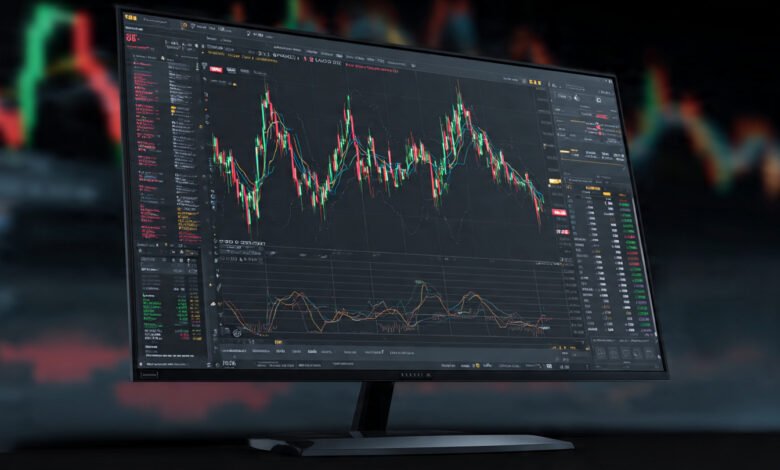
Trading Platforms: MetaTrader, cTrader, and TradingView
Pepperstone gives you access to three professional trading platforms:
MetaTrader 4 (MT4)
MT4 remains the most popular forex trading platform globally, and for good reason. It’s reliable, stable, and has thousands of custom indicators and expert advisors (EAs) available.
With Pepperstone’s MT4, you get:
- One-click trading
- Advanced charting tools with 30+ technical indicators
- Automated trading support
- Mobile, desktop, and web versions
- Fast execution with minimal slippage
MT4 is perfect if you’re already familiar with the platform or if you rely on custom indicators and trading robots.
MetaTrader 5 (MT5)
MT5 is the newer version of MetaTrader, with additional features and improved functionality. Pepperstone’s MT5 offers:
- More timeframes (21 vs. 9 in MT4)
- Economic calendar built into the platform
- Better order management tools
- Access to more markets (stocks, commodities, indices)
- Depth of Market (DOM) for better market visibility
If you’re new to trading or want more advanced features, MT5 is the better choice. It’s also the platform I’d recommend for traders who want to diversify beyond forex.
cTrader
cTrader is a modern, sleek platform that many traders prefer over MetaTrader for its intuitive interface and advanced features.
Key benefits include:
- Clean, user-friendly design
- Level II pricing (market depth)
- Detachable charts
- Advanced order types
- Superior backtesting capabilities
- One-click trading from charts
If you value clean design and advanced features, cTrader might be your favorite. It’s especially popular among algorithmic traders and scalpers who need precise execution.
TradingView Integration
Pepperstone also integrated with TradingView, the popular charting and social trading platform. This is huge if you already use TradingView for technical analysis.
You can execute trades directly from TradingView charts while using Pepperstone’s infrastructure for order execution. This combination gives you best-in-class charting with competitive spreads and fast execution.
Account Types and Minimum Deposit
Pepperstone keeps things simple with two main account types:
Standard Account
The Standard Account features slightly wider spreads but no commission charges. Spreads start from 1.0 pips on major pairs like EUR/USD.
This account works well for:
- Beginners who want simple, all-inclusive pricing
- Swing traders who hold positions for days or weeks
- Traders who prefer not to calculate commissions
Razor Account
The Razor Account offers raw spreads starting from 0.0 pips, with a commission charge of $3.50 per lot per side (so $7 round turn).
This account is ideal for:
- Active traders and scalpers
- Those who execute high-volume trades
- Traders who want the tightest possible spreads
Minimum Deposit
Pepperstone has no minimum deposit requirement for most account types, which is refreshing. You can open an account and fund it with whatever amount you’re comfortable with.
That said, you’ll need at least a few hundred dollars to trade with any reasonable position size and risk management.
Spreads and Commissions: How Competitive Is Pepperstone?
Spreads are one of the most important factors when choosing a broker, and this is where Pepperstone really shines.
Razor Account Spreads
On the Razor Account, you’ll see spreads as low as:
- EUR/USD: 0.0 pips (with $7 commission per lot)
- GBP/USD: 0.1 pips
- USD/JPY: 0.1 pips
- AUD/USD: 0.1 pips
With the commission, your total cost on EUR/USD comes out to around 0.7 pips equivalent, which is very competitive.
Standard Account Spreads
The Standard Account has slightly wider spreads but no commission:
- EUR/USD: 1.0 pips
- GBP/USD: 1.2 pips
- USD/JPY: 1.0 pips
These spreads are decent for a commission-free account, though active traders will save money with the Razor Account.
How Does Pepperstone Compare?
Compared to other major brokers:
- IC Markets offers similar or slightly better spreads
- FP Markets is comparable
- IG and CMC Markets have wider spreads
- OANDA is less competitive on spreads
Overall, Pepperstone ranks among the top brokers for low spreads and transparent pricing.
Tradable Assets: What Can You Trade?
Pepperstone offers a diverse range of markets:
- Forex: 60+ currency pairs
- Indices: Major global indices like S&P 500, NASDAQ, FTSE 100
- Commodities: Gold, silver, oil, natural gas
- Cryptocurrencies: Bitcoin, Ethereum, Ripple, Litecoin (as CFDs)
- Shares: 1,300+ individual stocks as CFDs
The forex selection is solid, covering all majors, minors, and many exotic pairs. The cryptocurrency offering is decent for CFD trading, though you won’t be buying actual coins.
If you want to trade US stocks with leverage or go short on indices, Pepperstone’s CFD offering gives you plenty of options.
Leverage and Margin Requirements
Leverage varies depending on your location and regulatory jurisdiction:
- ASIC clients (Australia): Up to 30:1 on forex majors (professional clients can access higher leverage)
- FCA clients (UK): Up to 30:1 on forex majors, following ESMA rules
- CySEC clients (EU): Up to 30:1 on forex majors
- International clients: Up to 500:1 in some jurisdictions
Higher leverage can amplify both gains and losses, so use it carefully. Most experienced traders recommend keeping leverage moderate to manage risk effectively.
Margin requirements are clearly displayed in the platform, and Pepperstone offers negative balance protection in regulated jurisdictions, meaning you can’t lose more than your account balance.
Deposit and Withdrawal Methods
Funding your account with Pepperstone is straightforward. They support multiple deposit methods:
- Bank transfer (wire transfer)
- Credit/debit cards (Visa, Mastercard)
- PayPal
- Skrill
- Neteller
- UnionPay
- BPay (Australia)
Most deposits are processed instantly, except for bank wires which can take 1-3 business days.
Withdrawal requests are typically processed within one business day. Pepperstone doesn’t charge withdrawal fees, though your payment provider or bank might.
One nice touch: Pepperstone covers deposit fees for certain payment methods, which saves you money compared to brokers that pass these costs to clients.
Customer Support and Educational Resources
Customer support is available 24/5 through:
- Live chat
- Phone
Response times are generally fast, and the support team is knowledgeable. Most traders report positive experiences with Pepperstone’s customer service.
Educational Resources
Pepperstone offers a decent range of educational materials:
- Trading guides and articles
- Video tutorials
- Webinars
- Market analysis and news
- Economic calendar
While not as extensive as some brokers like IG or CMC Markets, there’s enough content to help beginners get started.
They also offer a demo account so you can practice with virtual funds before risking real money. This is essential for testing strategies and getting comfortable with the platform.
Pros of Trading with Pepperstone
Let’s summarize the main advantages:
- Tight spreads starting from 0.0 pips on Razor accounts
- Fast execution with minimal slippage
- Multiple trading platforms (MT4, MT5, cTrader, TradingView)
- Strong regulation from ASIC, FCA, and other tier-1 authorities
- No minimum deposit requirement
- Competitive commission structure
- Wide range of tradable assets
- 24/5 customer support
- Fast deposit and withdrawal processing
- Negative balance protection
- Good range of payment methods
Cons and Limitations
No broker is perfect. Here are Pepperstone’s weaknesses:
- Limited educational content compared to some competitors
- No proprietary trading platform (relies on third-party platforms)
- CFD trading only (no direct stock ownership)
- Limited research and analysis tools
- No social trading or copy trading features
- Weekend trading not available on most instruments
- Inactivity fees on dormant accounts
These drawbacks won’t matter to most active traders, but beginners might prefer brokers with more educational support and built-in learning tools.
Real Trader Feedback: What Users Are Saying
I’ve gathered feedback from multiple sources including Trustpilot, ForexPeaceArmy, and trading forums. Here’s what real traders say about Pepperstone:
Positive Reviews
“Best spreads I’ve found” – Many traders praise Pepperstone’s tight spreads and fast execution. Scalpers especially appreciate the raw spread pricing on Razor accounts.
“Reliable and trustworthy” – Users consistently mention Pepperstone’s strong regulation and transparent pricing as major positives.
“Great platform choice” – Having access to MT4, MT5, and cTrader gets positive mentions, with many traders liking the flexibility.
“Fast withdrawals” – Multiple reviews highlight quick withdrawal processing, often within 24 hours.
Negative Reviews
“Support could be better” – Some users report slower response times during peak hours, though most support experiences are positive.
“Commissions add up” – A few traders note that while spreads are tight, commissions on the Razor account can accumulate for very active traders.
“Limited research tools” – Some users wish Pepperstone offered more in-house market analysis and research.
Overall, Pepperstone maintains a solid reputation with the majority of user reviews being positive. The broker scores around 4.5/5 on Trustpilot and has a “Trusted” rating on ForexPeaceArmy.
How Does Pepperstone Compare to Competitors?
Here’s a quick comparison with other popular brokers:
Pepperstone vs. IC Markets: Both offer excellent spreads and execution. IC Markets edges slightly ahead on raw spreads, but Pepperstone has better platform integration with TradingView.
Pepperstone vs. OANDA: OANDA is more beginner-friendly with better educational resources, but Pepperstone wins on spreads and platform choice.
Pepperstone vs. IG: IG offers proprietary platforms and more research tools, but Pepperstone has tighter spreads and lower trading costs for active traders.
Pepperstone vs. XM: XM provides more account types and bonuses, but Pepperstone is better regulated and offers superior execution quality.
For active traders focused on low costs and fast execution, Pepperstone is hard to beat. For beginners who need more hand-holding and education, other brokers might be better starting points.
Who Should Choose Pepperstone?
Pepperstone is ideal for:
- Active forex traders who execute multiple trades weekly
- Scalpers who need tight spreads and fast execution
- Traders who want to use MetaTrader or cTrader
- Those who value strong regulation and fund security
- Traders who want access to TradingView integration
- International traders looking for competitive pricing
Pepperstone might not be the best fit for:
- Complete beginners who need extensive education
- Traders who want proprietary platforms with built-in research
- Those who prefer social trading or copy trading features
- Investors looking to buy and hold actual stocks (not CFDs)
Final Verdict: Is Pepperstone Worth It?
After testing their platforms, comparing their pricing, and reviewing feedback from real traders, I can confidently say Pepperstone is one of the top forex brokers available in 2026.
Their combination of tight spreads, strong regulation, and fast execution makes them a solid choice for serious traders. The platform selection is excellent, giving you flexibility whether you prefer MT4, MT5, cTrader, or TradingView.
Are they perfect? No. The educational content could be better, and some traders might miss having proprietary research tools. But if you’re an active trader who knows what you’re doing and wants competitive pricing with reliable execution, Pepperstone delivers.
The fact that they’ve been operating since 2010 with minimal complaints and strong regulatory oversight speaks volumes about their reliability. Combined with no minimum deposit and transparent fee structures, Pepperstone makes it easy to get started and trade with confidence. If low-cost trading and professional platforms matter to you, Pepperstone deserves serious consideration.